
The Gene-Centered Synthesis
The Selfish GeneThis thread follows the book’s final reconciliation of replicators, individual organisms, and extended phenotypic effects.
increasing Bearing strength in each event
 decreasing
Bearing strength in each eventdecreasingThe Two Perspectives
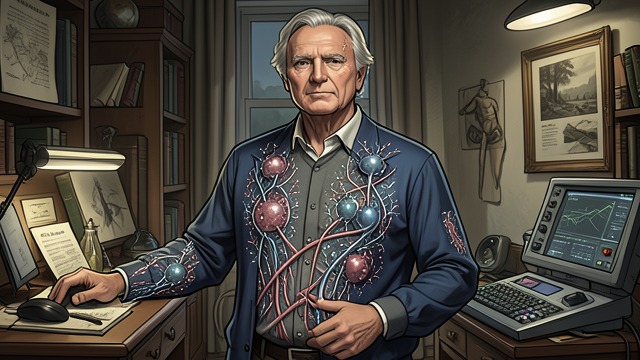
Gene and Organism
A persistent tension
The book has presented genes as enduring replicators and bodies as coherent agents. The individual organism looks unified, yet its hereditary components persist through changing bodies and combinations.
Not a simple contradiction
Earlier accounts sometimes treat organism and gene as interchangeable perspectives. The final chapter revisits that apparent equivalence and asks why organized bodies exist at all.
Selection Through Effects
Phenotypes Matter
Hidden genes
Genes are not directly visible to selection in the way their effects are. Their influence appears through development, bodily traits, and behavior, which affect the success of copies.
A complication
A genetic effect can benefit one gene while harming the body or other genes. Meiotic drive makes that conflict vivid: a gene can exploit inheritance itself, even when the result is damaging to its host.
Beyond the Body Wall
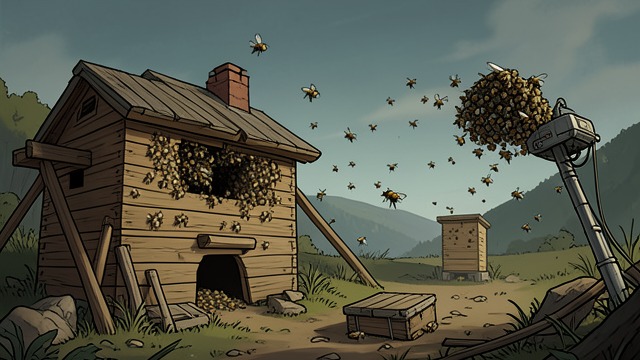
The Extended Phenotype
Effects outside the organism
The argument expands the phenotype from effects on the body to effects on the wider world. A structure built by an animal can be understood as an effect of genes expressed through behavior.
Other organisms as targets
Parasites can also alter host bodies and actions in ways that serve parasite genes. The relevant question becomes whose genes a particular effect benefits, not simply which body contains them.
Replicator and Vehicle
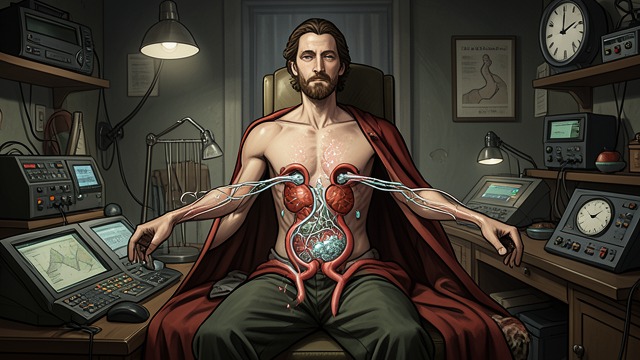
Complementary Roles
Two kinds of entity
Replicators form lineages of copied material; vehicles are organized systems that help those replicators survive and reproduce. The gene and the organism are not rival candidates for one identical role.
Why bodies cohere
Bodies are effective vehicles because their genes share a reproductive route through sex cells. Groups of separate organisms usually lack this shared genetic exit, so they remain less integrated than individual bodies.
The Final Replicator
A Universal Possibility
Beyond Earth
The final pages generalize the argument beyond DNA and terrestrial biology. Wherever replicating entities arise and vary in their copying success, a Darwinian process may follow.
The book’s closing image
Bodies and other vehicles are consequential but not theoretically necessary. The fundamental unit is the replicator, whose effects can radiate far beyond the body that carries it.
At the opening of Chapter 13
Early in Chapter 13
Midway through Chapter 13
In the concluding synthesis
At the book’s ending
